

Fort Worth, TX, homeowners and prospective buyers must understand property tax rates. To track your money, you need a property tax rate calculator because rates change frequently. Fort Worth’s general property tax rates may assist you in deciding on a new home or keeping your current one. Read our whole guide to learn how to handle these tricky money issues. Learn how these rates affect property purchases, then talk to a tax expert about how to maximize Fort Worth taxes.
Key Highlights
- How much tax you may owe depends on the market value of your home.
- The economy and local government greatly impact Fort Worth property taxes.
- Try different spending strategies with a property tax tool.
- Reduce your tax bill by learning about land and over-65 tax perks.
- Discuss taxes with others and find ways to reduce and pay property taxes.
Understanding Fort Worth, TX Property Tax Rates
Fort Worth, Texas, has fluctuating business and property tax rates. Knowing the local tax rates for residences in this busy area is vital. Property tax rates depend on numerous factors, including the evaluation district and local economy. These things can explain how Tarrant County sets property taxes and how they compare to other parts of the county. Knowledge of these fundamental ideas helps real estate owners pay their payments on time. We’ll examine Fort Worth property taxes and how they affect your finances.
What Affects Your Tax Rate in Fort Worth?

Many factors affect Fort Worth property tax rates, making it hard for homeowners to budget. A lot depends on how much the evaluation district values city homes. Finding out each property’s annual market value is difficult. Property taxes work this way. If your home is worth more than you thought, you may pay extra taxes. Homeowners must verify that these numbers match their property values. Fort Worth homeowners can appeal if they think their property is overvalued. This is because assessment value changes may directly affect the tax rate.
Fort Worth’s tax rates vary because the city, county, and school districts have different needs. District requirements vary because their building and public service initiatives require different amounts of money. Fort Worth would require more money to build more schools or make the city safer if its population expands dramatically. This would affect everyone’s tax rate. Tarrant County homeowners must follow these taxing groups’ budget and money discussions. Population or economic changes in Tarrant County could raise rates.
Economic changes affect tax rates. Differential growth and employment rates are crucial. The tax base grows when the economy is strong. Thus, even if rates rise, taxes may be less painful. When the economy is weak, officials may raise costs to maintain important services without compromising quality. Finally, state laws may prevent or require tax rate changes, which could affect money. If you follow Texas property law changes, you’ll be ready for higher property taxes. This site may help you manage your bills.
Comparing Property Tax Rates Across the Region
Not all Fort Worth homes pay the same tax. Tarrant County’s economy and government policies differ. Looking at these rates can aid current and future homeowners. Some areas have higher property taxes because they require new schools or roads. These differences can help homeowners decide how long they can afford to live in different city neighborhoods. Businesses and real estate agents leverage these differences to help clients invest in real estate.
Before comparing tax rates, evaluate each location’s offerings and benefits. Fort Worth neighborhoods with stronger schools, neighborhood projects, and public services may have higher rates. If everything is right, the increased tax may benefit residents. A less expensive place may not offer as many public services or support systems. If you wish to live somewhere, consider the tax rate and tax benefits.
Citywide changes are also crucial for tax reform. Taxes rise with property values. Because of programs that build cities, improve public transportation, and improve neighborhoods. Fortunately, these programs often improve houses and neighborhoods. Some high-rate stores are beneficial for shopping. People who desire to live in the city should know its future ambitions. These initiatives can affect property tax trends or provide the city with additional money. People can discover how future changes will affect their taxes by attending local government meetings and posting online.
Fort Worth residents can use accurate tax data to determine where to buy a home, how the economy will affect their investment, and whether their home will appreciate. Fort Worth residents may organize their finances and handle property taxes by being proactive. This entire tutorial explains the process of property tax payment.
| Year | Tax Rate (%) | Property Value Growth | Impact on Homeowners |
| 2021 | 2.4 | Moderate | Steady liabilities |
| 2022 | 2.5 | High | Increased payments |
| 2023 | 2.3 | Stable | Reduced burden |
| 2024 | 2.2 | Low | Minimal change |
This table offers a concise comparison of the recent property tax rates in Fort Worth, highlighting key variations over the years. The data reveals a trend in rate adjustments corresponding to fluctuations in property value growth, ultimately influencing the financial obligations of homeowners. Understanding these factors is crucial for residents and potential buyers, as they play a significant role in planning and managing property-related expenses in Fort Worth.
Key Factors Influencing Property Taxes
Fort Worth homeowners must understand property taxes because various factors affect them. How local governments act, how the tax statute is interpreted, and how these taxes affect homebuyers’ finances are all critical factors. These sections explain property tax calculation and payment. This will help Tarrant County residents comprehend taxes. Look at Fort Worth’s tax rates and how they affect homebuyers.
The Role of Local Government in Determining Tax
The Fort Worth municipal administration sets property tax rates. In this area, the city government, Tarrant appraisal district, and specialty districts work. All these factors affect tax rates. The assessment district determines a house’s annual value. This task is crucial. This organization verifies home values on the market. Property taxes depend on evaluations. These appraisals consider local housing and commercial markets. This greatly impacts homeowners’ taxes. A good estimate can keep the calm and inform everyone of their taxes. Property taxes are also affected by city spending. Building new roads, keeping people safe, and teaching kids costs more as Fort Worth grows. Taxes must change because these things cost money. The local government must provide these demands and maintain living costs low enough for individuals to buy homes there. We need to explore economic strategies to understand how tax rates will alter as Tarrant County’s population rises. If county and state lawmakers take heed, they can change tax rules. Tax code and rules may need updating due to economic or political changes. Examples are homestead exemptions and hero discounts. These changes affect everyone’s taxes and strengthen or stabilize the real estate market. Homeowners and prospective buyers must be aware of the new law to prepare their tax obligations. Fort Worth residents may fix these issues by learning about their government. This will help them manage property taxes. Learn about local evaluation methods. This can help you plan investments and buy a home in this busy area.
How Tax Rates Impact Home Buyers
Property tax rates affect how Fort Worth homebuyers spend their money and whether they buy. These rates can make homes cheaper for buyers. This can affect short- and long-term spending. You should consider how taxes will affect the house you buy because they will affect your mortgage payment. High property taxes can ruin a buyer’s budget and make the house unaffordable after mortgage, interest, and insurance. Fort Worth homebuyers should also consider how tax rates affect house attractiveness and which Tarrant County community to buy in. City adjustments that raise property values may raise tax rates. Higher rates could raise the cost of living, but better public services, amenities, and facilities would boost the property’s value over time. You must balance your finances with the predicted gain in house value to handle these adjustments. Homebuyers should also be aware that new laws or corporate changes may raise their property taxes. Better economic times in Fort Worth mean more taxpayers. This could mean nominal tax rates climb if growth is large and long-lasting. People pay less overall in taxes. Changes to the tax system could create new rates or exemptions. This would affect future tax calculations. If homebuyers know these details, they may be able to avoid unexpected expenditures and prepare for tax adjustments. Finally, a mortgage that incorporates property taxes may assist you in calculating your debt. Property tax trust accounts are available from most lenders. They can afford it better by paying a little each month instead of all at once. Buyers can reduce property taxes by exploring these borrowing options and consulting a financial advisor or real estate agent. This software can help you track your money and learn about local tax changes. For homeowners concerned about rising taxes, exploring options to sell a house fast in Fort Worth, TX, can provide financial relief without long-term obligations. Contact us for more details.
Using a Property Tax Rate Calculator Effectively
Fort Worth, Texas, property taxes are difficult to avoid. Use smart tools and make smart choices. The property tax rate calculator is important for homeowners. This program simplifies tax calculations, which might be difficult. It provides important information about property ownership, money duties. Both homeowners and prospective homeowners can use tax calculators. It explains how Tarrant County appraisal districts affect your money and how rates change. Please discuss the steps and benefits of using these tools.
Step-by-Step Guide on Utilizing Tax Calculators

Fort Worth residents need a property tax estimator to calculate and track their property taxes. Without calculators, you can’t grasp assessment districts and other tax authorities. You must understand your home before using a tax tool. The local assessment district’s value is included. It shows the current market value of the house. These evaluations help you calculate your tax liability and ensure that your financial planning considers all the important factors. Errors can cause you to assume you owe more or less tax, so double-check.
Your home information should be entered into the tax tool. Many Texas property tax calculators are simple. The latest tax rates from Fort Worth’s county, city, and school districts are used to calculate your annual tax bill. Since these data determine your home’s value, you must follow the government’s annual revisions. Calculators using the most recent tax year yield the most accurate results.
Knowing that Fort Worth’s tax rates vary by neighborhood is crucial. Tax rates in Tarrant County may vary due to community projects, infrastructure improvements, or school funding. Changing your computer settings to accommodate these differences can help you predict what to expect in different regions. Knowing if the taxes are worth it for community services and amenities is vital if you want to buy a house.
How will the new laws affect your taxes? View with the tax tool. Knowing how much tax you owe regularly can help you budget. Especially when new laws introduce tax benefits, exemptions, or limits. If Fort Worth residents use tax calculators properly, they can make smart financial decisions. Do these arithmetic problems occur every year or when the economy changes a lot, to better understand Fort Worth’s property taxes?
To improve your money management, use tax computations and other tools to anticipate your future finances. This comprehensive strategy helps you comprehend your current and future financial commitments, keeping your account balanced. If you want detailed answers, ask Fort Worth housing market finance experts. They can provide customized real estate advice.
These tips will help you get the right property tax calculator answers:
- Verify property details before entering a value into the tool.
- See if different calculators provide the same numbers.
- Find out your local tax rates. distinct places may have very distinct ones.
- Record any home discounts or exemptions.
- Find calculators with clear instructions and simplicity.
- Update property information annually to reflect market value.
- Consult a financial expert for a complete picture.
- Be informed of legislative changes that may affect property taxes.
Check out these pointers on using tax calculators to choose the right home.
Advantages of Knowing Your Tax Rate Before Buying a Home
It’s essential to know your Fort Worth tax rate before buying a home in Fort Worth. This material explains how taxes may affect your finances, affecting what you can afford and how you handle money. Knowing the tax rate might help you budget and estimate house prices. You should know how taxes affect your mortgage and long-term debt. This will help you choose items within your budget and future goals.
Know your property tax bill before buying the house to avoid financial issues. You can use a tax rate calculator to see how tax changes affect your money. Your area’s economy or government administration may cause these changes. This meticulous method helps people organize their finances, reducing their risk of unexpected tax bills. In Fort Worth, where tax rates may change due to district demands or building upgrades, preparation is crucial.
Keep in mind that Fort Worth prices might greatly affect where you live. Because the community offers better schools, public safety, and wonderful amenities for everyone, rates may be higher. Lower-rate places may not offer these features, but they may be cheaper immediately. These facts would allow people to compare the cost of life to its value.
Knowing your tax rate can help you negotiate a mortgage. Home lenders generally add property taxes to the amount you owe. This may affect your borrowing capacity. Such preparation might help you get a mortgage that lasts and pays all the bills. Buyers can also consider trust accounts, which allow incremental tax payments. If they do this, large tax payments may not affect earnings as much.
Finally, knowing property taxes may help you prepare for long-term investments. If tax rates are rising because the economy is growing or the city is expanding, property prices may rise. This may indicate a good investment. These patterns can help you decide when to buy and sell a house in Fort Worth, where the real estate market is always shifting. Talk to real estate professionals for the best money-planning guidance. They know the area well and may advise on spending. This lets you seize opportunities and protect your money.
Strategies for Managing Your Property Taxes
Fort Worth homeowners must understand property taxes and how to handle them. Local government policies and assessment district valuation might affect property taxes. Homeowners must manage property taxes well. We advise Fort Worth residents on property tax reduction and rebates. This may help them organize their finances and reduce taxes.
Exploring Potential Property Tax Breaks
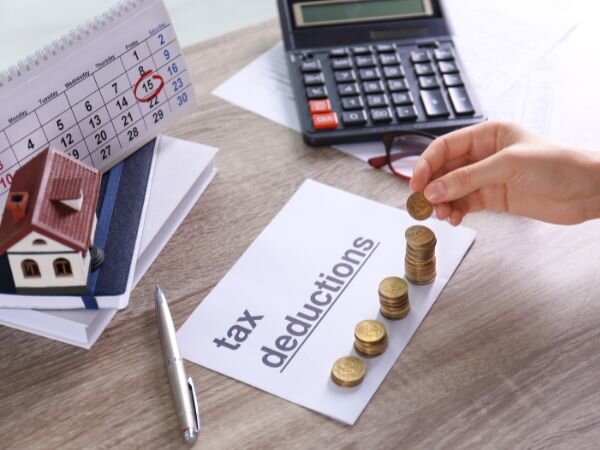
Property taxpayers in Fort Worth, Texas, can save a lot with tax credits. Exemptions, credits, and refunds reduce property taxes. Each has merits and cons. Lots of Fort Worth residents get the homestead deduction. This exemption decreases a home’s estimated value, lowering its taxable value and property taxes. To receive this tax credit, homeowners must verify that their home is their principal residence. If they don’t pay attention, they may miss it. Tax benefits for seniors may also be considered. Since property taxes drop further, older folks benefit. It recognizes that many older people have fixed incomes and would benefit from lower taxes. Veterans and their surviving spouses may be eligible for exemptions that save them money and demonstrate their gratitude.
You must be aware of state or local laws that may impose new regulations or change exemptions to learn about tax advantages. State legislature hearings that potentially modify property tax legislation should be watched by Fort Worth property owners. These changes may impact money management. Contacting your local rating district may also help. They can notify you of exemption deadlines and ensure timely form submission. It’s smart to reduce taxes and follow Fort Worth’s laws.
Fort Worth properties in historic districts or other designated regions receive tax incentives to maintain them. In addition to standard exceptions. Since their taxes are reduced, some homeowners are driven to meet conservation guidelines. Tax breaks for rebuilt businesses may help the economy. Property tax reductions help people save money and cut taxes. These services and resources from your local government can help you lower taxes and save money. Real estate agents can answer questions about taxes and property ownership. If high taxes and maintenance costs are adding up, homeowners may choose to sell a house as-is in Arlington, TX, or any other city in Texas instead of investing more money into the property.
Tips to Lower Your Property Tax Bill in Fort Worth
Lowering property taxes helps Fort Worth households organize their finances. Knowing a few tricks can save you money on property taxes. Your home appraisal must be read carefully. The Tarrant appraisal district values homes. This determines tax rates. It may be worth more than the market can bear. You could appeal if so. You must prove your claim for a reduced assessment for this process to work. You may say how many similar properties have been sold in your region recently. Agents or public records can assist you in finding this information. Keep in mind that the appeals process has a deadline.
Along with pleas, discussing money and the budget with neighbors may help. Residents of a county, school district, or city can vote on local issues or attend city council meetings to influence tax rates. If you know where your tax money goes and push for budget-friendly changes, you can lower your property taxes over time. Some residents belong to homeowner groups that might lobby for improved tax treatment or neighborhood-friendly laws.
Making your home energy efficient is another way to save money. Improvements that qualify for tax credits can receive grants and rebates from the state. Solar panels, insulation, and energy-efficient appliances can cut your electricity bills and increase your tax refund. A thorough record of repairs and modifications helps appraisers understand your home’s value and may assist you in resisting unreasonable increases.
Many people want to know how much tax they may pay before buying a home or making a significant purchase. Even though property taxes are rising, this may indicate that the community has good services and that prices will rise. This will increase long-term investment returns. People looking to buy a house in Fort Worth should compare property taxes in different neighborhoods and assess their merits and cons. Advice from property tax experts, like financial planners, may help you manage them. This comprehensive guide may help you monitor your Fort Worth real estate assets.
Fort Worth residents and investors must know property tax rates. Use a property tax rate calculator to simplify and get an accurate answer. This tool can help you manage your finances, avoid debt, and make smart real estate decisions. Learn Fort Worth’s tax regulations and maximize your real estate assets to stay ahead. Talk to a local real estate agent for personalized help and to save the most money. They help achieve financial goals.
What factors influence property tax rates in Fort Worth, TX?
Fort Worth property tax rates can change due to appraisal district valuations, local government actions, and economic trends. To determine your tax liability, the evaluation district values your home annually. Rates depend on how much cities, counties, and schools need for public services and infrastructure.
How can a property tax calculator assist Fort Worth homeowners?
Fort Worth residents can use a property tax calculator to estimate their tax bill and organize their finances. By comparing the estimated value of your home to government tax rates, you may estimate your annual tax bill. You can organize your money better.
Are there any exemptions available to reduce property tax burdens in Fort Worth?
Yes, Fort Worth homeowners can reduce their house taxes with the homestead exemption and over-65 exemption. Veterans and others are exempt from these rules. These tax breaks help qualified persons pay their taxes.
Why is it important to understand property tax rates before buying a home in Fort Worth?
Before buying a Fort Worth home, check property tax rates. They will adjust your payment amount and duration. If people know these rates, they can plan for monthly expenses like mortgages and insurance and adjust their budgets to avoid surprises.
How do local government decisions impact property tax rates in Fort Worth?
Fort Worth’s municipal government and evaluation districts affect property taxes. These groups assess the cost of schools, public services, and roads and bridges. Tax rates may need to change to meet the city’s budgetary goals.
Helpful Fort Worth Blog Articles
- How to Sell a House in Probate in Fort Worth, TX
- Can You Sell a House in Foreclosure in Fort Worth, TX?
- How to Sell a Fire-Damaged House in Fort Worth, TX
- How to Do a Sale by Owner in Fort Worth, TX
- Can You Sell a House with Tenants in Fort Worth, TX
- Is Fort Worth, TX, a good place to live?
- Fort Worth, TX Neighborhood Map
- Fort Worth, TX Capital Gains Tax Calculator
- Fort Worth, TX Cost of Living: Is It Affordable?
- Best Fort Worth, TX Property Managers
- Best and Worst Neighborhoods in Fort Worth, TX
- Fun Facts about Fort Worth, TX
- Fort Worth, TX Property Tax Rates
- Selling Home with Reverse Mortgage
- Selling a Home in Fort Worth, TX, That Needs Repairs
- How to Sell a House with Title Issues in Fort Worth, TX