

If you’re looking to sell a home with a reverse mortgage, it’s important to understand all of the intricacies involved. Reverse mortgages offer significant financial advantages, allowing seniors to tap into their home equity. However, when it comes time to sell, there are specific steps and considerations unique to this process. From understanding the payoff requirements to handling equity disbursement, navigating the sale effectively ensures you maximize benefits and prevent potential pitfalls. This guide will provide valuable insights to help you make informed decisions about selling a property under a reverse mortgage agreement.
Key Highlights
- Reverse mortgages enable seniors to access their home equity while remaining in their residence.
- Selling a home with a reverse mortgage requires settling the loan with the sale proceeds.
- Engage with a real estate agent experienced in reverse mortgage sales for optimal outcomes.
- Understanding financial and legal obligations is crucial when selling your home.
- Continuing to live in your home offers stability and maximizes equity benefits.
Understanding Reverse Mortgages and Their Implications
Reverse mortgages offer older homeowners the opportunity to tap into their home equity without immediate repayment requirements. This type of mortgage loan enables individuals to convert a portion of their home equity into cash while remaining in the property. For many, it offers financial relief; however, understanding its complexities is crucial. In the following sections, we’ll explore how reverse mortgages operate and the role lenders play. Whether you’re considering a reverse mortgage or are already part of one, it’s crucial to grasp these dynamics before making any decisions or adjustments to your financial plans.
What is a Reverse Mortgage and How Does it Work?
A reverse mortgage is a specific type of loan available only to those homeowners who are 62 years old or older and want to convert their home equity into cash. This is usually done to supplement retirement income. With a reverse mortgage loan, unlike a regular mortgage, instead of the borrower making payments to the lender, the lender will disburse payments to the borrower.
A reverse mortgage is known as a Home Equity Conversion Mortgage (HECM), the most common option, which is insured by the Department of Housing and Urban Development (HUD). The borrower has no monthly mortgage payments due; however, they will be responsible for property taxes, homeowners’ insurance, and general upkeep. Failing to do so could create a foreclosure situation.
If a reverse mortgage is taken out, a loan is due when the original borrower sells the home, permanently moves out, or dies. With a reverse mortgage, interest and fees are added to the loan balance, which in turn diminishes the remaining equity in the home, along with the home equity, potentially affecting heirs. For this reason, a reverse mortgage should be a carefully considered decision as the mortgage will last for a long time.
To best prepare for what a reverse mortgage entails, look into reputable resources, such as Pioneer Home Buyers, and local professionals, as they will help you assess whether a reverse mortgage really fits with the financial goals you are trying to accomplish.
The Role of the Lender in Reverse Mortgages
The lender is involved in determining eligibility for each reverse mortgage, managing the loan, and all other aspects of the mortgage. They evaluate the home’s worth, the amount of equity available, and process the loan according to specific program guidelines.
The lender also manages the loan throughout its duration, collects the interest that accrues, and educates the homeowner on key details, including the interest rate, fees, repayment conditions, and other relevant information. This type of communication minimizes the chances of communication gaps and proves compliance on the part of the borrower.
Some lenders offer counseling, providing resources to help homeowners make informed decisions when utilizing the equity in their homes. Homeowners who stay informed and question the lender’s policies will encounter fewer problems than those who opt for a reverse mortgage.
Can You Sell a House with a Reverse Mortgage?
When circumstances change, selling a house with a reverse mortgage becomes a consideration for many homeowners. Knowing how to sell a home with a reverse mortgage makes it possible to sell a home more quickly and without problems. A homeowner can sell a house with a reverse mortgage by using the proceeds from a home sale to pay the reverse mortgage loan balance. To do this, the homeowner must pay close attention to the lender’s instructions, the loan payoff, and, most likely, a real estate agent who specializes in these types of transactions. This guide will outline the key steps to selling a home and the necessary actions to take after a home is sold. These steps will help a homeowner sell a home with a reverse mortgage.
Steps to Successfully Selling Your House
The first thing to consider when selling a home with a reverse mortgage is how much you owe on the loan. This will be determined by how much you borrowed, the interest that has accrued, and the associated fees that have been added. The information will need to be obtained from the lender, and doing this early will help set repayment expectations and avoid delays during the closing process.
The process can be smoother with the assistance of a real estate agent who specializes in reverse mortgages. These agents know how to market your home, how to price your home, how to cover the loan payoff with a sale, and how to protect the remaining equity. Working with your agent and lender will also help avoid the risks associated with selling the home in foreclosure, and it will keep the process moving forward.
Once you have everything in place to list your home, you will need to start addressing the pre-sale requirements, such as completing routine maintenance and resolving minor code issues, to make the home more appealing to potential buyers. You will also need to disclose to the potential buyers that there is a reverse mortgage due to the liens on the house.
Once you have secured a buyer, ensure that the proceeds from closing are appropriately managed, as failure to do so may result in the reverse mortgage not being paid off correctly. Following the steps in this process will help minimize complications and protect your finances, ensuring a smoother transition after the home is sold.
What Happens After the Sale?
When your home sells, proceeds from the sale are first used to pay the balance of the reverse mortgage, along with any additional interest and fees. If the sale price of your home fully covers the reverse mortgage balance, the sale closes, and you are not financially responsible for anything further. You may spend the remaining proceeds. Homeowners may use the remaining proceeds for other financial needs or future housing.
When the reverse mortgage closes, ensure that all liens are removed and inform your lender and financial advisors that the sale is complete, to maintain accurate records from both a legal and economic perspective.
If any issues arise during the payoff process, your mortgage company is typically your best option for resolving them. You should also keep sales documents and related correspondence, in case your lender requires them.
If you have heirs, consider estate planning and how the sale will impact it. These steps ensure a clean exit from a reverse mortgage and allow you to move on to the next phase.
Key Considerations Before Selling a House with a Reverse Mortgage
Selling a house with a reverse mortgage requires careful attention to detail. Knowing how to manage the economic implications and understanding your legal obligations is crucial to a smooth deal. Evaluating potential sale proceeds, ensuring loan payoff, and adhering to contractual obligations are key components of the process. It’s important to consider how these factors impact your financial future and any remaining home equity. Addressing these aspects effectively will empower you as a seller, help meet lender requirements, and secure your financial standing as you transition away from your reverse mortgage.
Financial Implications of a Reverse Mortgage Sale

When it comes to selling a home with a reverse mortgage, several financial factors can impact your financial position and need to be considered. The first thing to look at is the outstanding loan balance. This is made up of the original amount borrowed, plus interest and fees. The sale proceeds must be sufficient to cover this amount to avoid complications at closing.
Issues often arise when homeowners miscalculate the interest and fees. To avoid the risk of a short sale, it’s good practice to request a current payoff statement from your lender as early as possible in the process, as this will clarify the amount outstanding. Working with the lender will make sure that you understand what needs to be done from your end and what the timing of the various milestones will be.
A reverse mortgage is a specialty area, and so working with a real estate agent who has experience in this area can also be a good choice. These experts can help you to price the home so that the sale will cover the loan balance and still leave you with as much equity as possible. This approach is best for you to reduce the financial exposure and protect the equity.
Legal and Contractual Obligations
Understanding and complying with legal and contractual obligations is essential when selling a home with a reverse mortgage. If these obligations are not met, issues may come up with the lender, which can complicate, delay, or disrupt the closing process.
The debt on the home must be cleared when the house is sold, and this includes the balance owed on the mortgage, the interest accrued on the mortgage, and any additional fees associated with the mortgage. To do this, the documents related to the mortgage, as well as the title to the house, the payoff statement, and other documents related to the lien, must be reviewed and in order.
Complete disclosure of the reverse mortgage, all liens, and lender interests on the home must be made to the buyers of the home. This is to prevent the new buyers from encountering issues with the lender after the sale of the house.
Consulting professionals who have legal knowledge of reverse mortgages is a great way to ensure these obligations are met. This is particularly the case when estate planning is a concern. This type of legal compliance assures the seller and the beneficiaries that the sale is without complications and does not present any legal or financial issues that would arise from the sale.
Common Challenges and Solutions When Selling
The complexities of selling a home with a reverse mortgage can be overwhelming for many homeowners. To command the process effectively, one has to face the challenges of reverse mortgage penalties and other excessive fees. Homeowners must also address and resolve costs associated with mortgage penalties, lender processes, and the mortgage balance. However, with the right approach, these obstacles can be managed successfully, enabling homeowners to complete a sale, meet all mortgage lender requirements, and maintain positive financial equity. This part of the paper will examine the aspects of these obstacles and the practical approaches to overcoming them.
Dealing with Reverse Mortgage Fees and Potential Penalties
One of the primary challenges of selling a home with a reverse mortgage is managing the fees and potential penalties. These loans include interest, service fees, and mortgage insurance premiums. All of these have to be paid when closing on the home.
It is essential to obtain a payoff statement from the lender before listing the home. The payoff statement will tell the homeowner the total balance due on the mortgage. This balance will include the original loan amount and any additional charges that have accrued since the loan was issued. This way, the homeowner can make a better financial assessment of their situation. This statement can also save the homeowner from surprises on their loan servicing fees.
If the terms of a reverse mortgage are not met, penalties can apply. Most commonly, these include failure to maintain the property in a specific condition, failure to pay property taxes, and gaps in the homeowner’s insurance coverage. These and other factors make it very important to consult a financial advisor to review the loan agreement.
The more reverse mortgage professionals and lenders are contacted early, and the more planning and collaboration take place, the better the outcome will be. This will help ensure that the sale price is sufficient to pay off the total amount of the reverse mortgage, and will help make the transaction smooth and penalty-free.
Alternatives to Selling for Homeowners
For homeowners with a reverse mortgage, selling might not be the only way to address financial strains or a change in living situations. There are viable alternatives that enable homeowners to tap into their home equity without selling. Continuing to live in your house while optimizing the benefits of your reverse mortgage can be a practical solution. This section examines the benefits of maintaining residence in your home, providing insights into financial stability and the preservation of home equity.
Why You Must Continue Living in Your Home
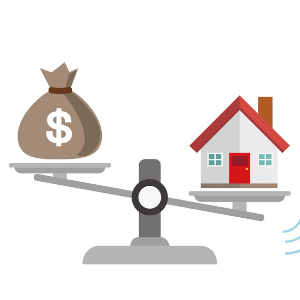
Maintaining a reverse mortgage while still residing in your home can provide financial stability. It can also enable you to age in place, helping you stay psychologically connected to your community, relieve the stress of a home relocation, and maintain your daily habits and routines uninterrupted.
Perhaps the most significant advantage of a reverse mortgage is that you are not required to make payments as long as your home is your primary residence. This means you can access your home equity without triggering an immediate loan payoff. By postponing a home sale, you position yourself to avoid unnecessary, immediate cash outlay for real estate commission, closing costs, and taxes, all while preserving more equity.
Remaining in your home will give you the opportunity for your home to appreciate in an appreciating economy. It will also give you more equity to access for the future. Many reverse mortgage programs include monthly payments (or other living expense coverage) or a line of credit that allows you to keep the home from being required to sell.
Homeowners must continue meeting loan requirements, including paying property taxes, homeowners’ insurance, and maintenance costs. If selling eventually becomes necessary, working with experienced buyers like Pioneer Home Buyers, a local cash home buyer in Fort Worth, TX, that also buys houses as-is for cash in Dallas, TX, can provide a faster and lower-stress solution. Contact Pioneer Home Buyers at (817) 382-1155 today!
Overall, remaining in your home offers flexibility, reduces financial pressure, and keeps more options open when managing a reverse mortgage.
Frequently Asked Questions
What is a reverse mortgage?
Reverse mortgages enable senior homeowners (aged 62 and above) to tap into their home equity without incurring monthly mortgage payments. Home equity is converted into cash, and the mortgage is paid off when the homeowner sells their property, moves out permanently, or passes away.
Can you sell a Home with a reverse mortgage?
You can sell a home with a reverse mortgage, but you must pay off the loan using the proceeds from the sale. It is best to hire a real estate agent who specializes in reverse mortgage sales to cover all the financial and legal responsibilities.
What happens to a reverse mortgage when the home is sold?
When a home with a reverse mortgage is sold, and the loan is due, the proceeds from the sale must first be used to pay off the reverse mortgage. This includes the principal amount of the loan, as well as interest and fees. Whatever is left over after that is given to the homeowner.
What are the financial obligations when selling a home with a reverse mortgage?
Financial obligations include paying off the remaining balance of the reverse mortgage from the sale proceeds. It is best to clarify the total payback amount with your lender, as this amount may also include interest and other accrued fees.
What are the legal and financial obligations when selling a reverse mortgage?
Meeting these negotiations aids the transaction process and avoids complications. Later on, this can ensure the seller has sufficient funds to provide for themselves after the sale. Overall, managing these factors enhances the financial outcome while satisfying the lender.
Helpful Fort Worth Blog Articles
- How to Sell a House in Probate in Fort Worth, TX
- Can You Sell a House in Foreclosure in Fort Worth, TX?
- How to Sell a Fire-Damaged House in Fort Worth, TX
- How to Do a Sale by Owner in Fort Worth, TX
- Can You Sell a House with Tenants in Fort Worth, TX
- Is Fort Worth, TX, a good place to live?
- Fort Worth, TX Neighborhood Map
- Fort Worth, TX Capital Gains Tax Calculator
- Fort Worth, TX Cost of Living: Is It Affordable?
- Best Fort Worth, TX Property Managers
- Best and Worst Neighborhoods in Fort Worth, TX
- Fun Facts about Fort Worth, TX
- Fort Worth, TX Property Tax Rates
- Selling Home with Reverse Mortgage
- Selling a Home in Fort Worth, TX, That Needs Repairs
- How to Sell a House with Title Issues in Fort Worth, TX